Fort Pierce Roofing Contractor for storm damage restoration
Safeguard Your Home: Important Services Available from Professional Roofing Contractors
Skilled roofing professionals fulfill a critical purpose in preserving the structural soundness of residential properties. They offer skills spanning detailed assessments to urgent repair work, ensuring roofs remain in ideal condition. Routine maintenance cna classes new britain ct services, like debris removal from gutters, aid in avoiding serious damage. Recognizing when a new roof is necessary can save homeowners from costly damages. However, roofing professionals vary considerably in quality. What factors should one consider when choosing the right professional for their needs?
Why Roof Inspections Are Important
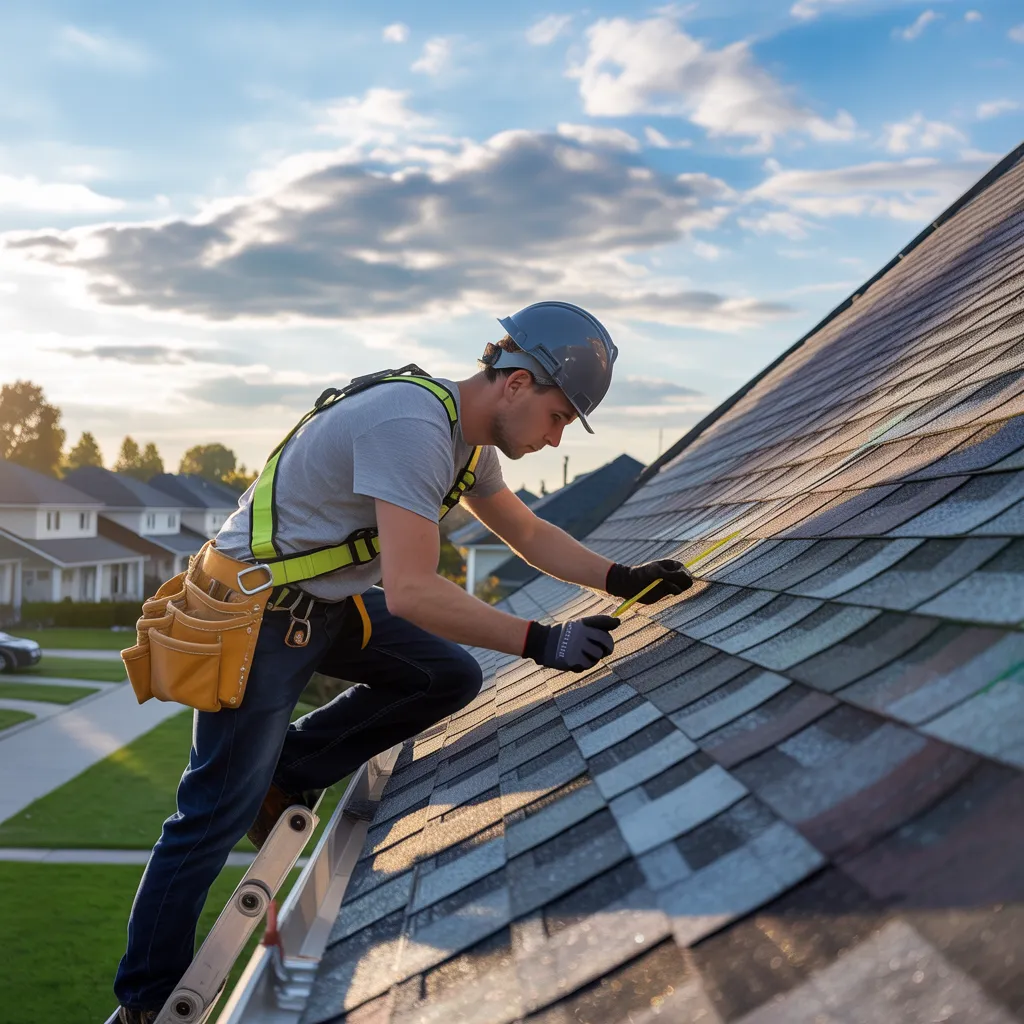
Roof inspections function as a vital protective measure for homeowners, helping them recognize potential issues before they turn into major expenses. Regular inspections help detect structural degradation, leaks, and damage caused by weather conditions or pests. By tackling these problems promptly, homeowners can extend the lifespan of their roofs, guaranteeing a more secure and comfortable home.
Furthermore, property value can be enhanced through roof inspections, as future homeowners commonly prioritize properties with well-kept roofs. Professional roofing contractors possess the expertise to assess the roof's condition accurately, supplying property owners with thorough reports and expert recommendations. This procedure not only facilitates timely repairs but also plays a role in long-term planning for roof upkeep and replacement.
How to Handle Emergency Roofing Repairs
Sudden roofing emergencies can develop without warning, demanding swift intervention to minimize further deterioration. Residents should initially examine the situation to pinpoint the cause of the damage, including water leaks or displaced shingles. Safety is paramount; when the damage creates unsafe conditions, homeowners are encouraged to stay off the roof. Alternatively, utilizing a ladder to observe the damage from a protected distance can offer important details without putting anyone at risk.
After the problem has been detected, homeowners should take photographs to document the damage for insurance purposes. Reaching out to a qualified roofing specialist is crucial for urgent repairs, as they possess the expertise and tools required for successful repairs. Short-term solutions, such as covering leaks with protective tarping, can reduce additional harm until a professional arrives. Timely communication with the contractor regarding the critical nature of the damage makes certain that repairs receive immediate attention, protecting the home from further deterioration.
Premier Maintenance Services for Your Roof
Routine maintenance is critical for maintaining the durability and functionality of every roof. Professional roofing contractors offer a variety of maintenance services designed to protect and enhance the integrity of roofing systems. A fundamental offering is regular inspections, which detect developing problems ahead of time, avoiding expensive fixes. Additionally, debris clearance is necessary; foliage, branches, and grime can result in water pooling and structural damage.
Contractors also provide gutter cleaning services, guaranteeing adequate water flow and minimizing the likelihood of leaks. Sealing and caulking remain critical for stopping water infiltration at joints and seams, while routine maintenance of flashing can safeguard against wind and rain damage. Furthermore, moss and algae removal helps maintain the roof's aesthetic appeal and structural integrity. By investing in these upkeep services, property owners can considerably increase the longevity of their roofs, ultimately protecting their investment and enhancing overall home safety.
When Should You Replace Your Roof?
What is the ideal time to consider replacing a roof? Property owners should evaluate a roof replacement when clear indicators of damage and aging become evident. Typical warning signs include absent shingles, significant granule loss, or water marks on interior ceilings. Moreover, if a roof is nearing the end of its expected lifespan—typically 20 to 25 years for asphalt shingles—it is prudent to start planning for a replacement.
One other key element relates to how frequently maintenance is required; when continuous repairs are needed, this may signal that the roof is beyond its useful life. Additionally, problems with energy consumption, including rising heating and cooling expenses, could signal that the roof's insulation and materials are breaking down. Through careful assessment of these indicators, residents can determine the best course of action, guaranteeing that their new roof investment improves both the safety and worth of their home.
Customized Roofing Solutions for Different Materials
Upon assessing the necessity of replacing a roof, homeowners should consider the variety of materials available to meet their specific needs. Experienced roofing contractors present comprehensive solutions featuring materials such as asphalt shingles, metal, tile, and slate. All of these materials come with their own set of notable advantages; for instance, asphalt shingles are cost-effective and easy to install, while metal roofs provide durability and energy efficiency.
Tile roofs are renowned for their aesthetic appeal and long lifespan, making them a popular option in warmer climate regions. Slate, although more expensive, offers unmatched longevity and a unique appearance. Contractors assess factors like climate, home style, and budget to recommend the most appropriate material.
Finding the Ideal Roofing Contractor
Picking the most suitable roofing contractor is vital for ensuring a smooth roofing project. Residents should commence by gathering recommendations from trusted contacts or digital review platforms to locate reputable contractors. It's essential to verify credentials, including licenses and insurance, to establish compliance with regional requirements and safeguard from liability.
In addition, securing several estimates facilitates informed comparisons of pricing and services offered. Home owners should question contractors about warranties, on both labor and materials, as this can reflect the contractor's confidence in their work. Moreover, a dependable professional will deliver a detailed written estimate, describing the planned work and materials needed.
In addition, effective communication is essential; a reputable contractor ought to be responsive and open to resolving any worries. By following these guidelines, homeowners can select a roofing contractor that meets their needs, providing a resilient and successful roofing resolution.
Common Questions and Answers
What Are the Warning Signs of a Deteriorating Roof?
Indicators of a deteriorating roof include damaged shingles, staining, water infiltration, structural sagging, and granule deterioration. Homeowners may also notice moisture stains on interior ceilings or walls, indicating underlying issues requiring immediate attention from a professional.
How Much Time Does a Roof Installation Usually Take?
A typical roof installation takes one to three days to complete, according to the scope and complexity of the work involved. The type of roofing material and weather conditions can also significantly affect the total timeline.
Do Roofing Materials Have Environmental Benefits?
Several roofing options, such as slate, recycled metal, and select shingle varieties, can be eco-friendly. Such choices often decrease waste and conserve energy, promoting sustainability in construction and enhancing overall home efficiency.
What Warranties Are Typically Provided on Roofing Services?
Generally, roofing contractors extend warranties spanning a decade to half a century, protecting against issues with materials and workmanship. These guarantees ensure protection against defects and offer homeowners confidence regarding the durability and longevity of their roofs.
What Financing Solutions Are Available for My Roofing Project?
Homeowners are able to finance roofing work using personal loans, home equity lines of credit, or tailored contractor financing options. Examining different lenders and contrasting interest rates helps them identify the most fitting financing solution for their requirements.